

The business of relaxation is no chillin’ matter.
And when it comes wrapped in the yogic mysticism of the East, it becomes serious business.
Welcome to the world of yoga retreats in the UK.
Sample this.
Between September 19-21, Yogi Sonos — a passionate yogic and world traveller —would be hosting a three day-all inclusive MIND, BODY & SOUL retreat in Cotswold, UK. On offer?
Yoga and Meditation
Nature Walks
Sound Healing
Limited to 15 participants, this uber private retreat would cost over £450 for a single occupancy. That’s more than a 100 chai tea lattes.
Moving on from Cotswold, let’s hop into the southernmost county of England — Cornwall. Where Chayn Cultural Centre is organising its latest yoga retreat at its centre in Penryn.
The retreat promises:
Tantric Yoga
Yoga Nidra
Meditation
Its facilitators are Devamurti and Beth. Both are trauma informed and practice different modalities. While Devamurti is a practitioner of Tantric yoga, Beth is completing her MBCCP training, which combines Buddhist philosophy with Western psychotherapy.
Fan of camping?
This three-day retreat doubles up as a camping experience, and is priced at £300.
Retreat Pe Retreat
Then, there’s another recurring retreat in the wilderness, at a serene riverside by the Thames Valley, on a community run rural estate.
Welcome to the Sadhama Wild Retreats in South Oxfordshire.
Featured in The Guardian, this retreat is a rather unassuming microcosm intermingling Eastern and Western sensibilities in the deeply symbolic county of Oxfordshire.
After wrapping up their Ayurvedic Yoga weekend retreat in August, guests haven’t stopped raving. While one guest has termed it “one of the best independent spiritual retreats currently,” another describes it as “life-changing.”
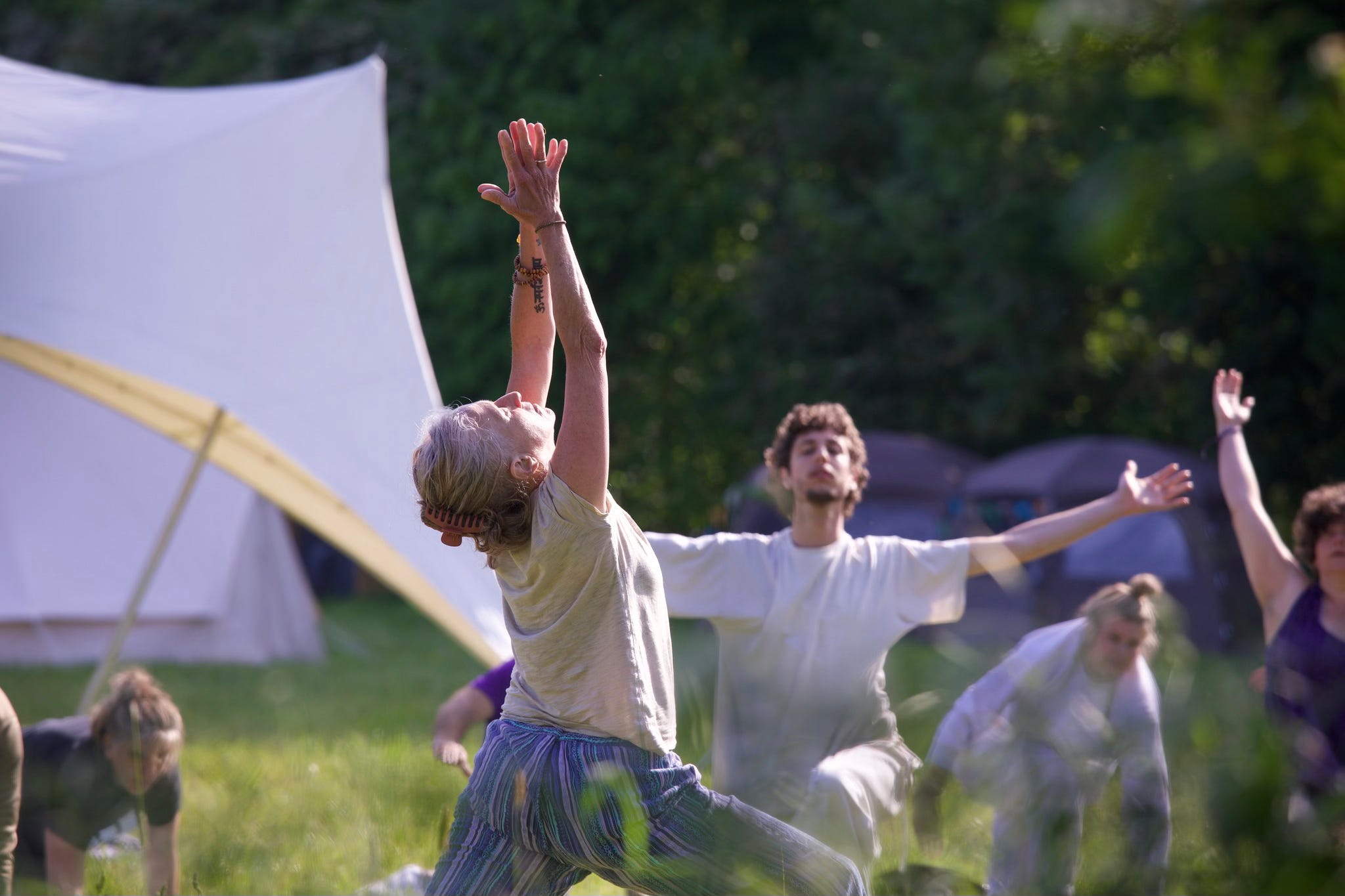
FOMOing hard? You can always grab a spot at the next retreat.
With packages divided into day-passes, and premium gold and silver, the price ranges about £ 150- £ 725.
And in case, you thought Scotland is missing all the fun, you are wrong. Tickets for two upcoming yoga retreats in Blairingone are live now.
Well, it doesn’t take a genius to decipher that the yoga retreat micro-industry in UK IS BOOMING. A Guardian report christened “yoga” as one of UK’s most Googled words in 2016. Fast forward nine years, this year it is expected to cash in around $12 Bn in the UK alone.
The yoga retreat is a small subset of this market. But even then, its mushrooming begs several deeper insights into its workings. First of all, it’s about addressing the elephant in the room: DO YOGA RETREATS ACTUALLY WORK?
Are they merely a cultural mumbo-jumbo, or do they have any scientific backing?
Retreats: A Cultural Fad?
DIZI reached out to Dilshini Sandhu, a South Asian psychotherapist based in London. Here’s what she had to say:
“Yoga retreats can offer mental and physical health benefits through practices that support mindfulness, emotion regulation, and stress reduction. These elements can be particularly helpful for individuals experiencing depression or anxiety. Additionally, retreats can provide a sense of community and belonging, which can have a powerful positive impact on mental well-being.”
- Dilshini Sandhu, South Asian Psychotherapist, London
Dilshini cites several evidence-based outcomes from yoga as part of mental or physical health interventions. Where yoga works as an effective adjunct in managing conditions such as anxiety, depression, and chronic pain. Or where the emphasis on breathing, movement, and mindfulness aligns well with evidence-based strategies for stress management and emotional regulation.
However, she cautions that incorporating South Asian philosophies such as Yoga must be done in an appropriate cultural context.
Incorporating South Asian philosophies can offer a more authentic and holistic experience, but these practices must be delivered by individuals who are culturally rooted in them. Otherwise, there’s a risk of cultural appropriation or dilution of meaning.
—- Dilshini Sandhu, South Asian Psychotherapist, London
Indeed, with over 50 such retreats happening in the United Kingdom over a period of the next three months, it becomes imperative to carefully examine how many South Asians are actually being consulted / involved in them. After all, the roots of yoga trace back to the region. That too, from almost 5000 years.
Although they are fewer in number, there are some South Asians who are quietly making a mark for themselves in the world of UK’s exotic yoga retreats.
Yoga Retreats: The Desi Connect
Angie Tiwari is the founder of UNEARTHED retreats, which has been included as one of the best yoga retreats in UK in publications such as The Times and Condé Nast. Globally recognised as an industry leader in wellness, Tiwari’s vision is to bring greater diversity and South Asian representation within yoga and beyond.
At UNEARTHED retreats, Angie makes sure ancient Indian wellness rituals are honoured, and are led by Indian teachers who were raised with the practice and have the cultural understanding that places yoga within its appropriate context.
As for the burgeoning culture of yoga retreats in the UK, the yogini believes retreat owners need to be careful about treading the thin line between cultural appreciation and commodification.
Tiwari tells DIZI, “While many retreats in the UK strive to honour yogic traditions, there's a spectrum. Some are deeply rooted in authentic practices, while others may oversimplify or commercialise them.”
Angie believes the rise of yoga retreats in the West — as both a wellness and business industry — is a double-edged sword.
“The commercialisation has caused a lot of harm to those who originate from the culture. It dilutes its essence, and as an Indian yoga teacher I have been told to suppress my culture by yoga teachers, studios and wellness apps by removing chanting mantras, Sanskrit and anything that the western world often deems "woo woo.” - Angie Tiwari, to DIZI
As part of her efforts towards bringing greater authenticity in British yoga, Angie runs a 50 hour yoga teacher training programme called Rooted In Respect, which helps yoga teachers (and practitioners) learn more about the deeper elements of yoga, such as mudras, meditation and bandhas, so they can pass them on students with cultural knowledge and respect.
For anyone looking to start a culturally rooted yogic retreat in Britain, Tiwari shares, “My advice would be to prioritise authenticity and education. Deepen your own understanding of yoga's philosophy and history. Be transparent about the origins of the practices you offer. Create an environment that fosters genuine connection and respect, rather than just focusing on the aesthetic or trend aspects.”
A notable example that brings forth a rooted understanding of South Asian yoga culture is the Ishara De Silva-run Plantation Villa, which holds yoga retreats not only in UK, but also in Sri Lanka.
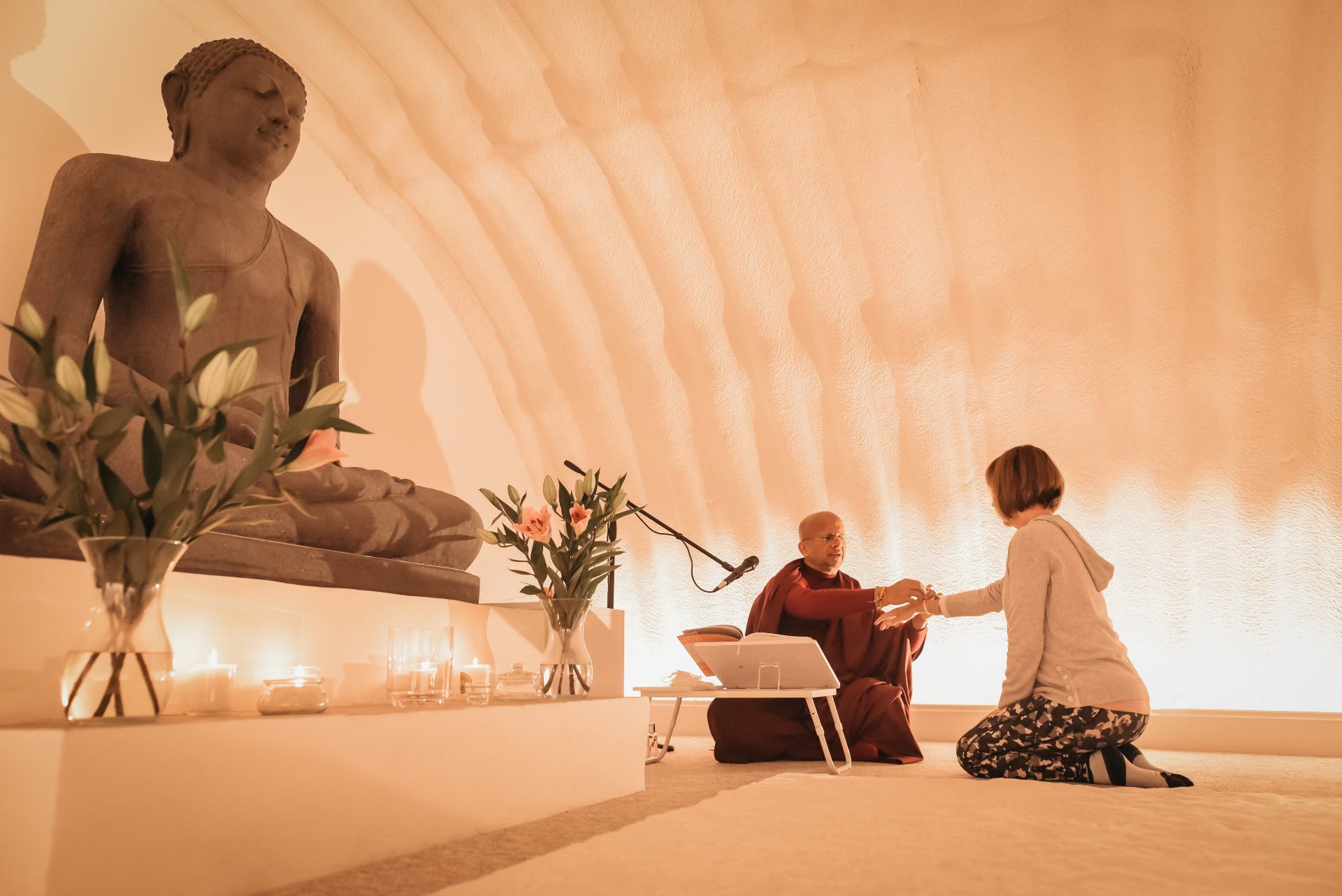
The retreats are firmly rooted in the Buddhist teachings of loving kindness — with a chunk of the profits directly involved in helping communities.
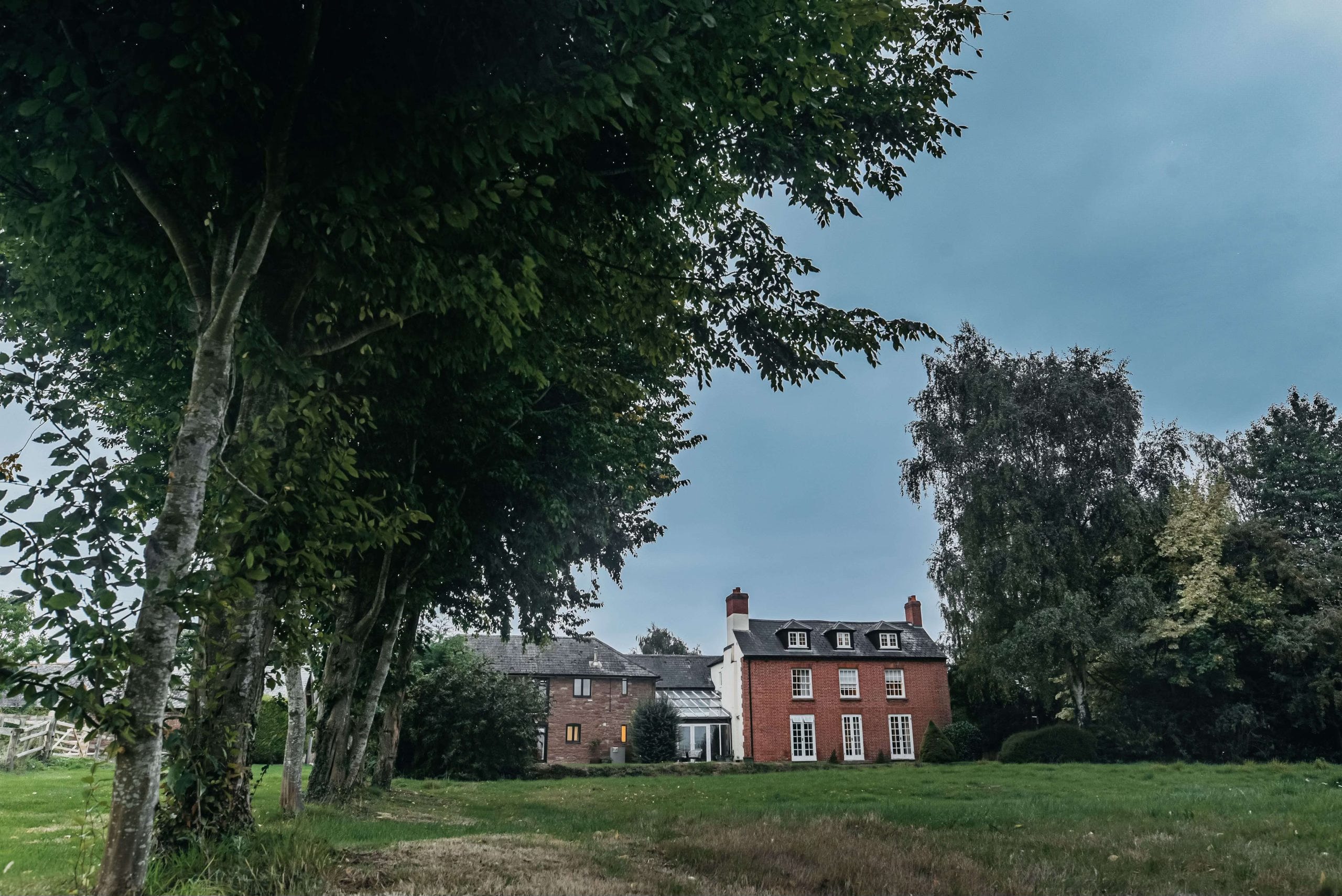
A winner of several luxury awards, Plantation Villa’s retreats in UK are held at a 17th century farmhouse in the Wye Valley area. Located in the ceremonial county of Hertfordshire, it is run by two fully qualified Ayurveda doctors from India and Sri Lanka, with over 30 years of experience. They primarily teach Hatha Yoga, with origins to the Sri Krishanmacharya tradition from India.
There's also a visiting senior Buddhist monk with over 45 years of experience of life counselling. On offer for guests are also Buddhist chanting, talks, meditations, Ayurveda talks, treatments and cooking.
The Reservations Associate at Plantation Villa shares with DIZI,
“We are trying to teach how these authentic valuable teachings of the East can be applied in modern day life in the West.”
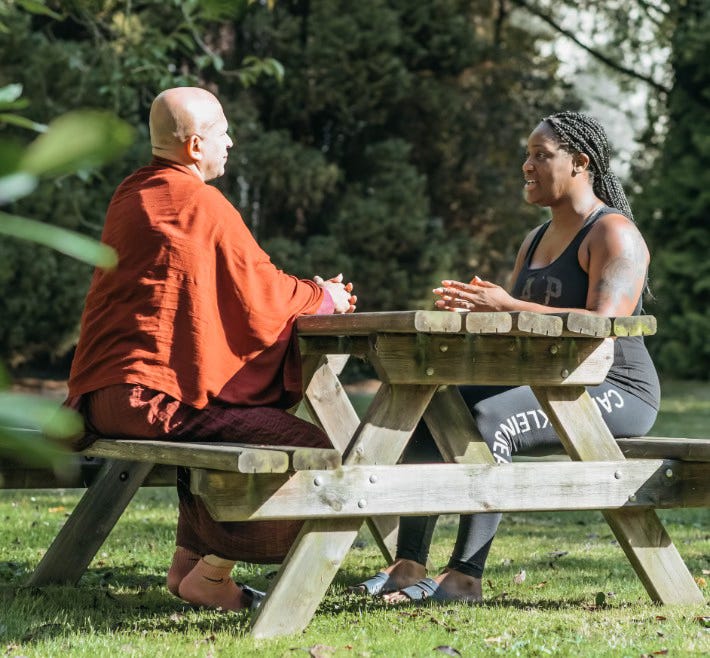
Both these retreats are proof that authentic representation in British yoga can indeed do wonders to raise the cultural and spiritual vibration of the country. However, the truth is that a lot of yoga retreats are not really authentic, but are pretending to be.
“A lot of yoga retereats today are not true to the philosophy. They are a different form of stimulation to the mind: offering many aspects of new age spiritual entertainment. If yoga retreats stay true to the philosophy, it could be a great gateway to help people in using the ancient philosophies and could show people the value of South Asian culture.”— Plantation Villa Employee, to DIZI
But before signing off: we are sure you’d be wondering if a yoga retreat is actually worth hundreds/thousands of pounds. At a time when the UK economy is not at its peak, and people are struggling from sky-high rents and lack of economic growth.
Well, this is indeed a point that Dilshini emphasises as well. According to her, “At present, retreats tend to be more accessible to those with financial resources and the flexibility to take time off work. This does limit their reach and makes them less practical as a public health intervention.”
However, she does support the integration of yoga retreats into mainstream British holistic well-being.
Albeit with a sharp word of caution, though: “There may be resistance from some populations who view such practices as intrusive or unfamiliar. Education and cultural sensitivity would be key to making this successful.”
Whaddya say, yoga se hoga?!?